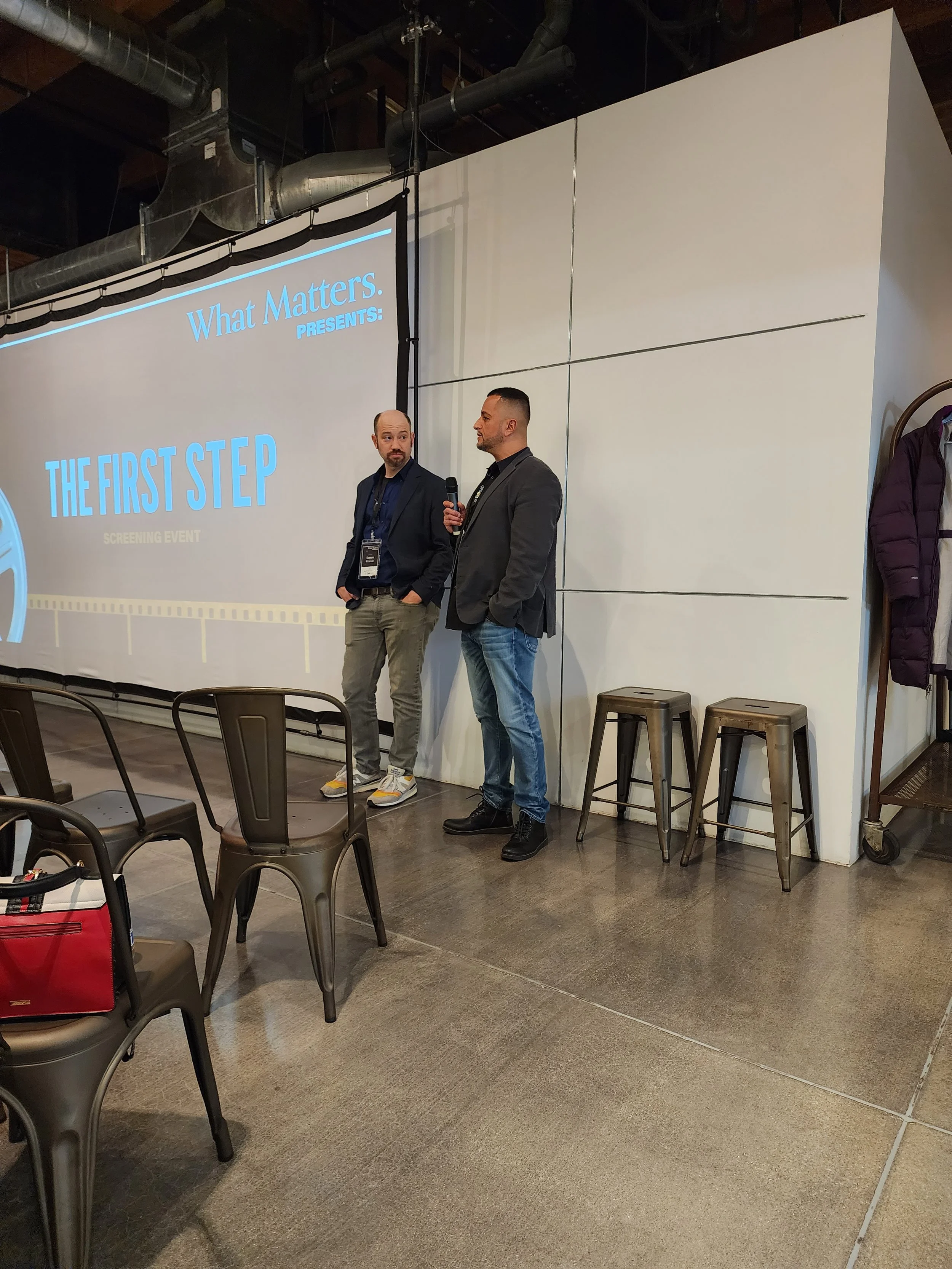
By Community
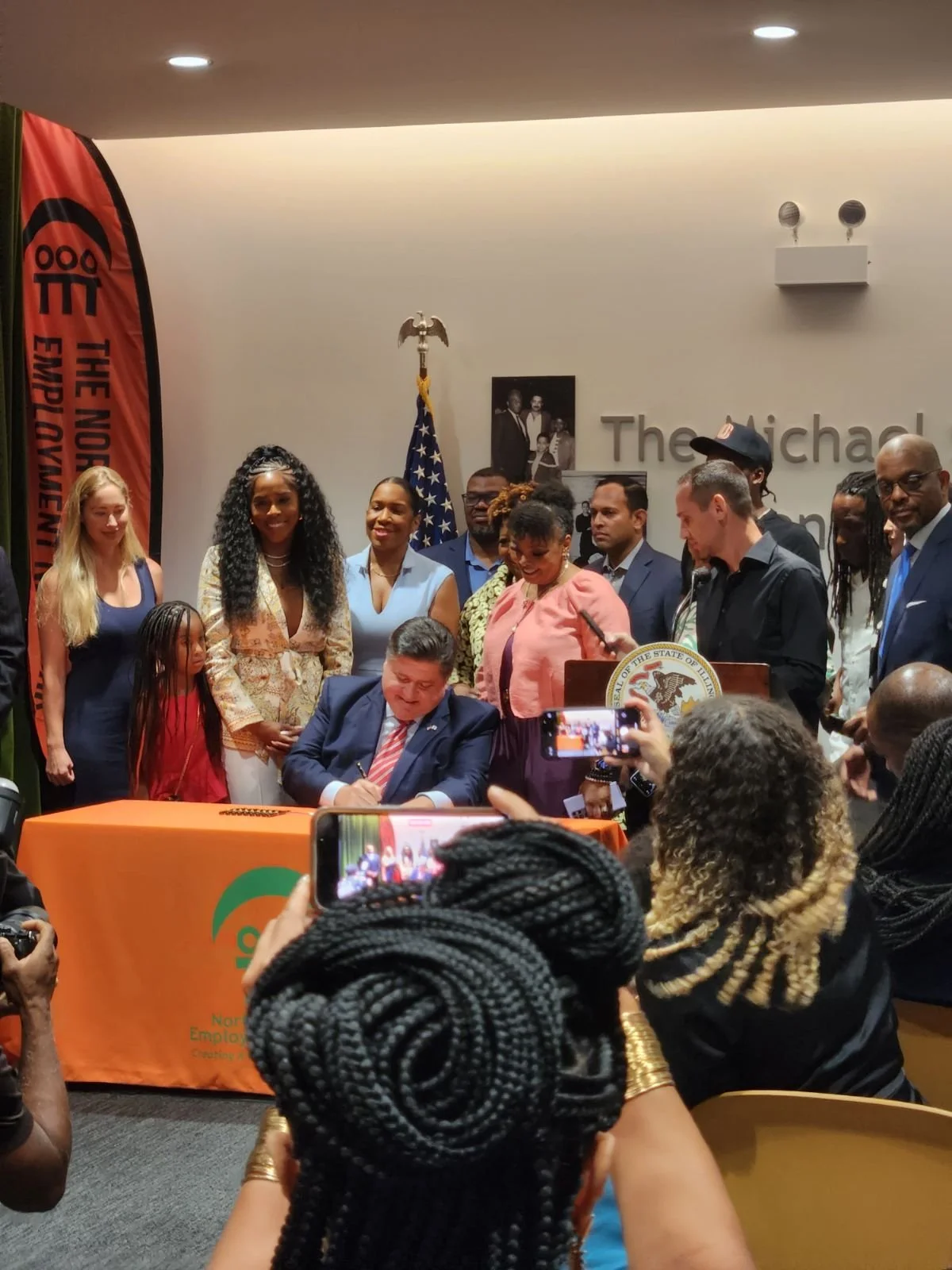
For Community
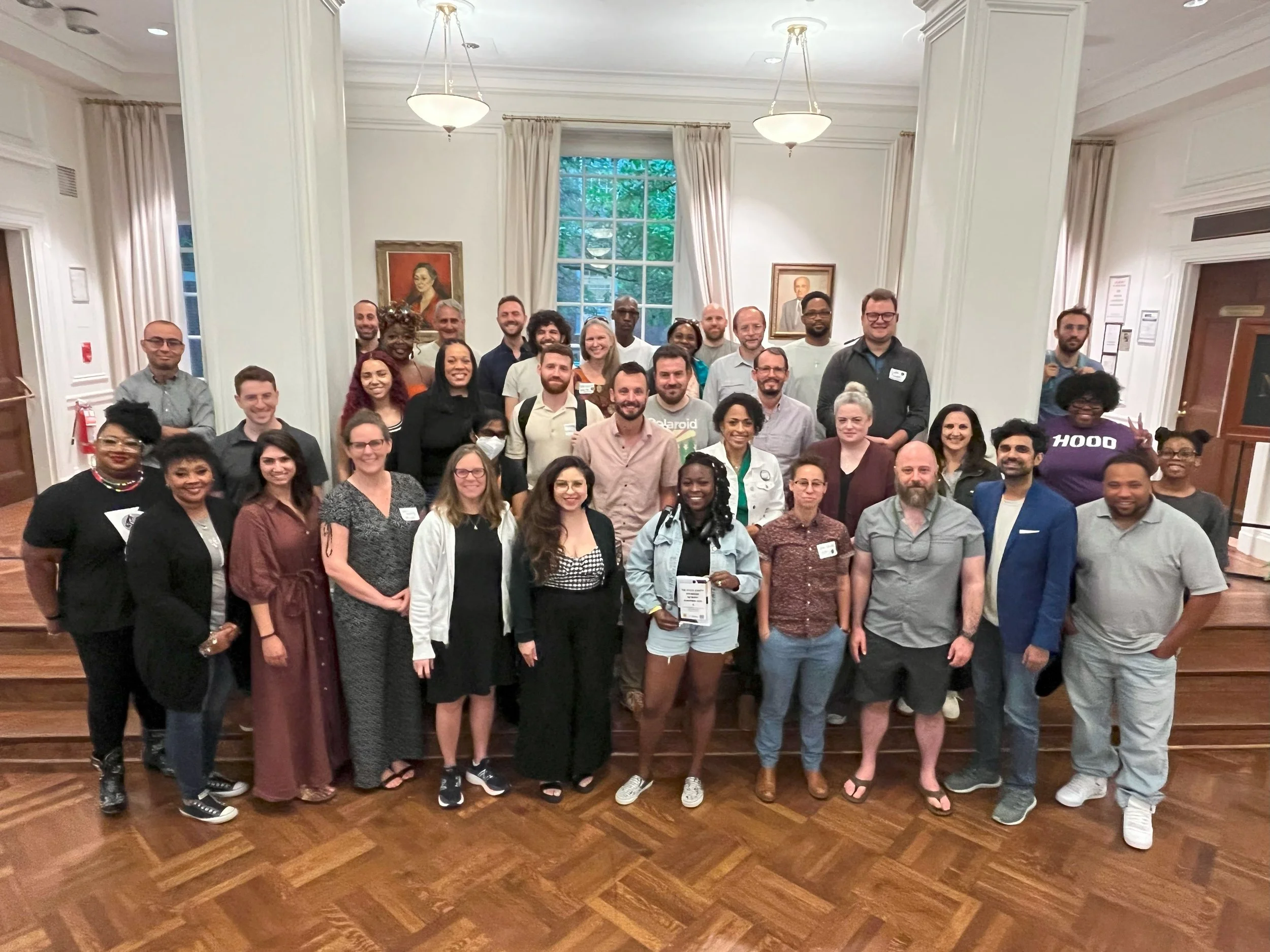
In Community
The Illinois Alliance for Reentry & Justice is building the future of care and accountability — without cages.
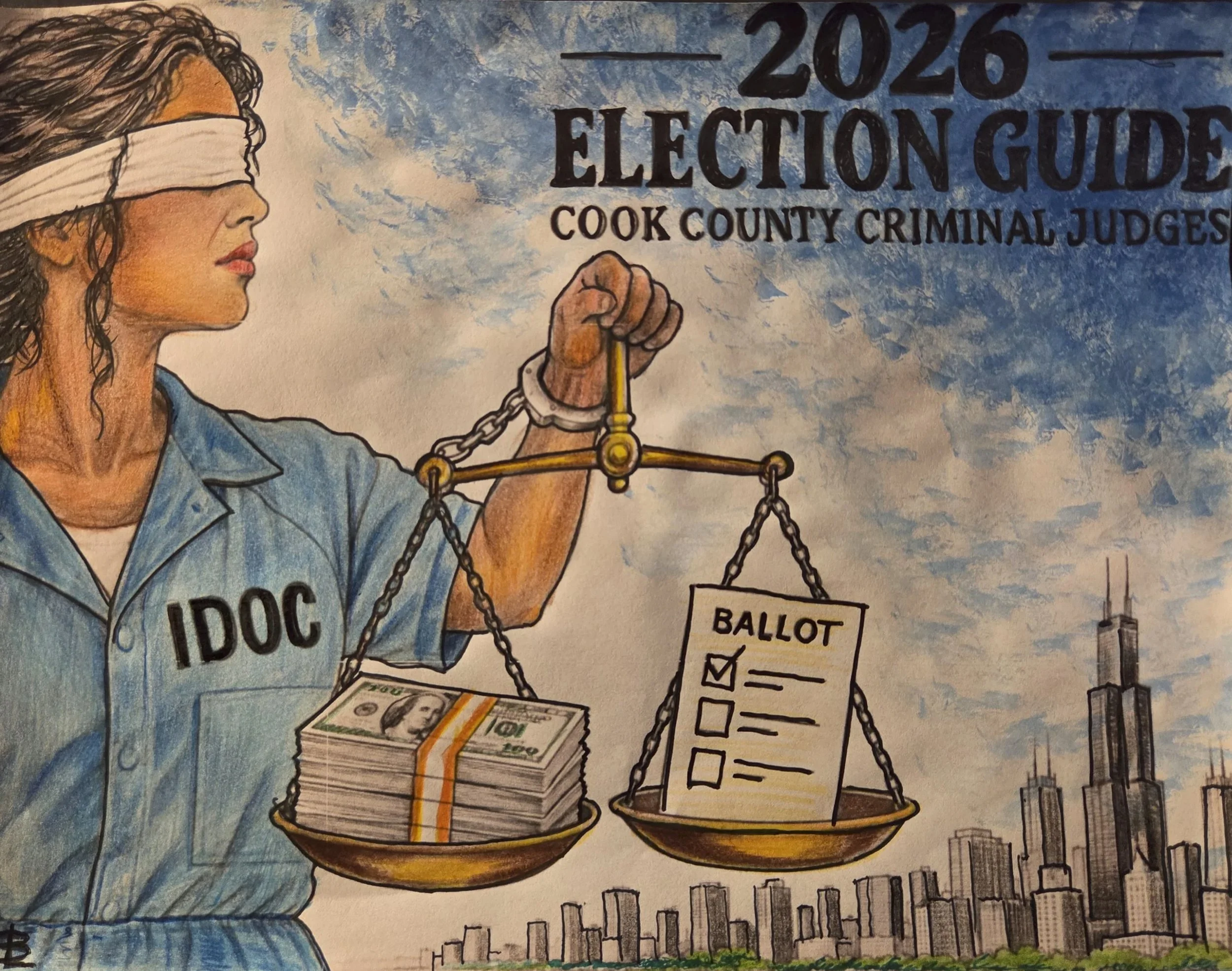
READ: A People’s Guide to Cook County Criminal Division Judges
YOU VOTE.
YOU VOTE.
YOU VOTE.
YOU VOTE.
YOU VOTE.
YOU VOTE.
YOU VOTE.
SHE COUNTS.
SHE COUNTS.
SHE COUNTS.
SHE COUNTS.
SHE COUNTS.
SHE COUNTS.
SHE COUNTS.
TAKE THE PLEDGE.
TAKE THE PLEDGE.
TAKE THE PLEDGE.
TAKE THE PLEDGE.
TAKE THE PLEDGE.
TAKE THE PLEDGE.
TAKE THE PLEDGE.
Resources for families
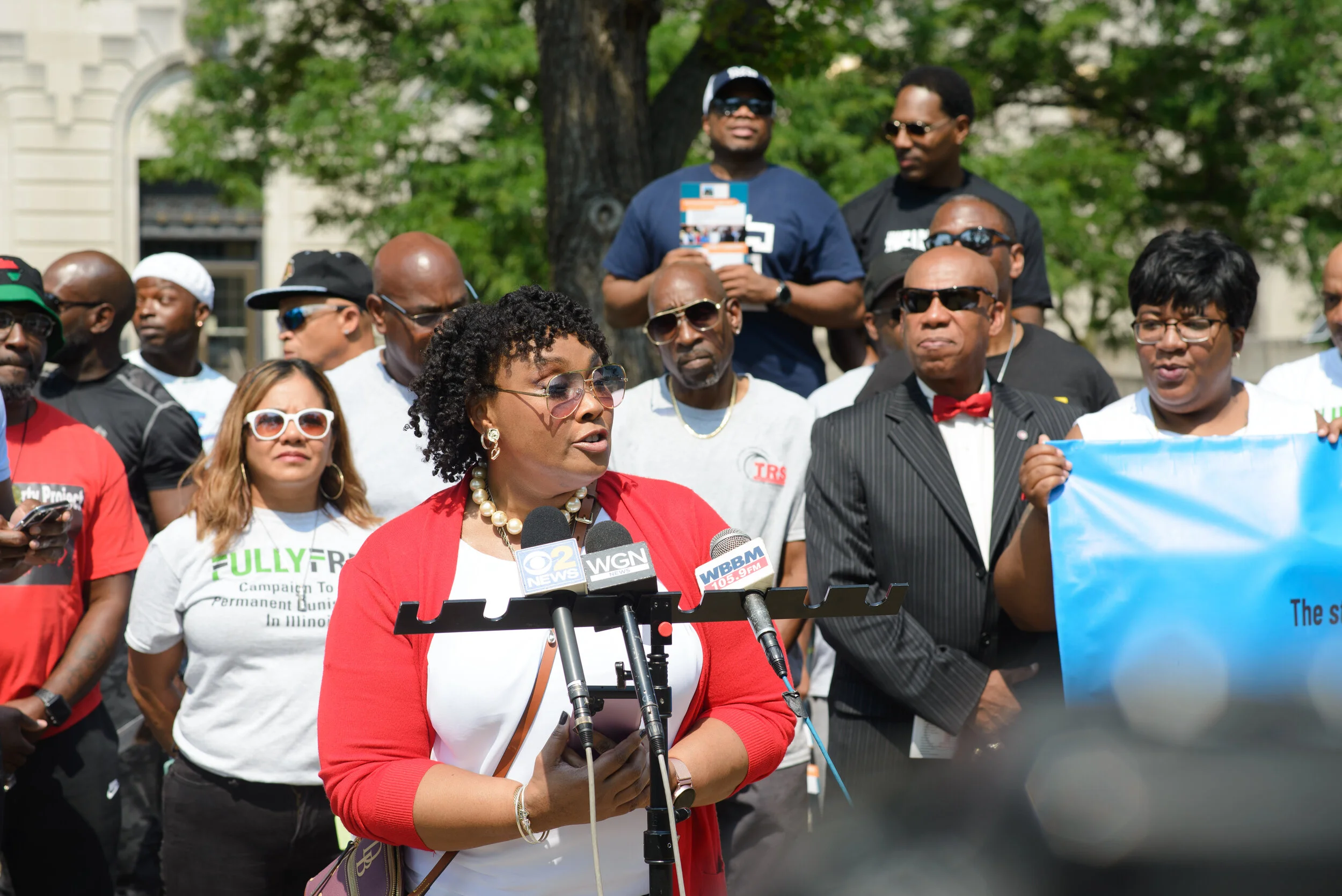
Who we are
ILARJ champions the belief that preventing system involvement altogether is the most effective form of reentry — resulting in our maxim: “No entry is the best form of reentry.” We recognize that true public safety is rooted in the health and well-being of communities, particularly those disproportionately impacted by criminalization and incarceration.
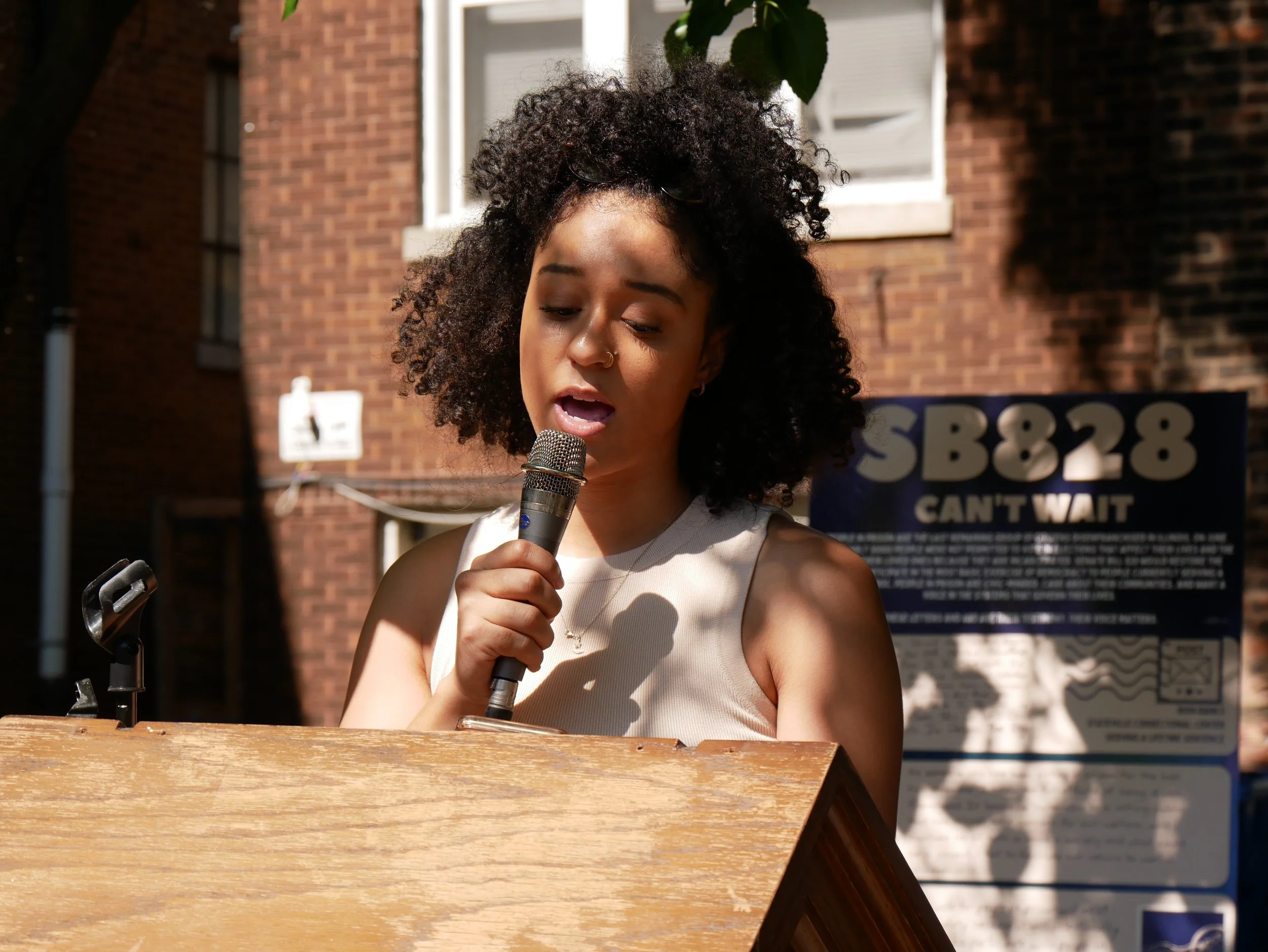
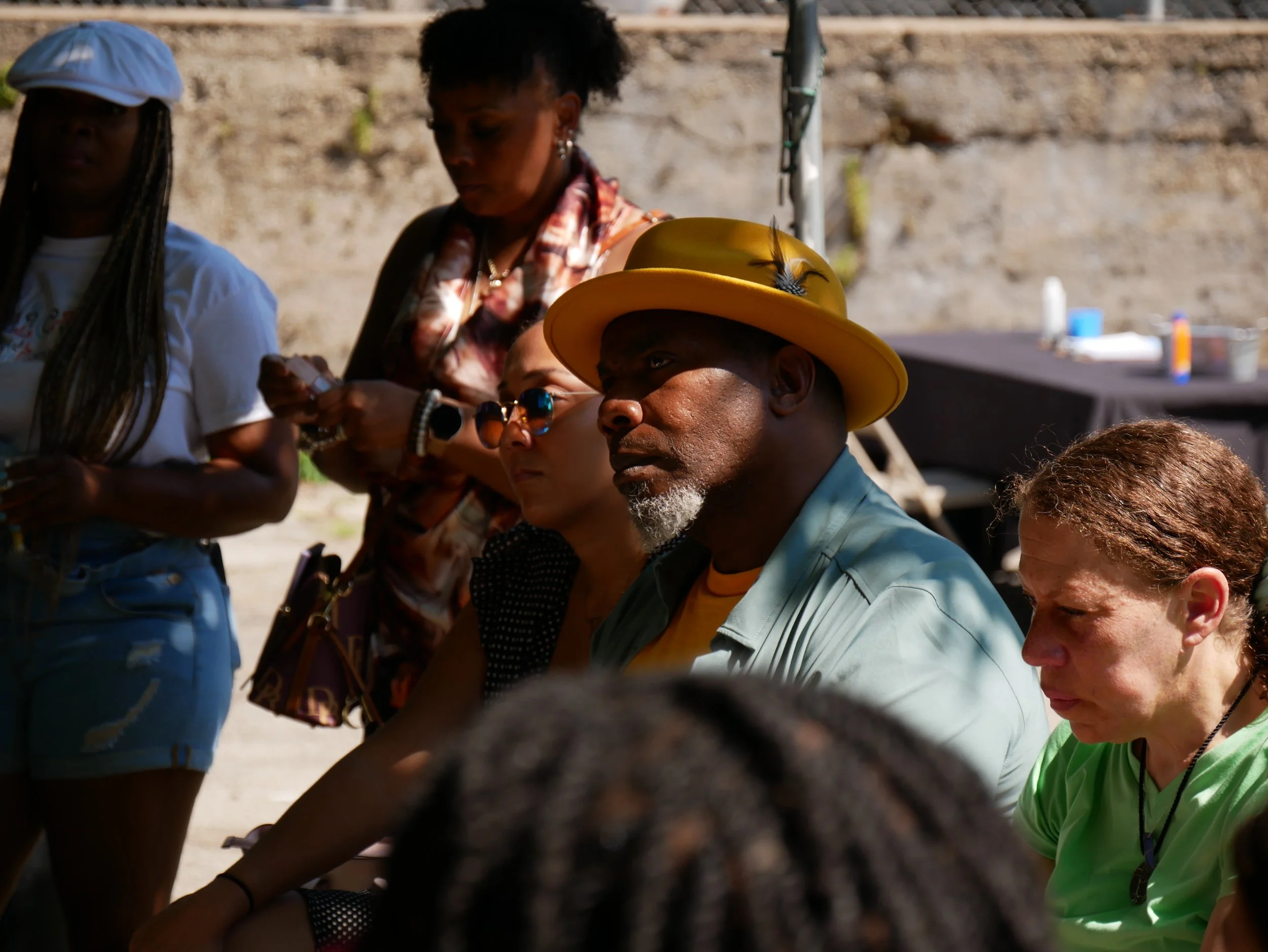
Our mission is to accelerate the transformative realignment of power and accountability to reimagine and remake justice. Through collaboration with a diverse array of partners, including currently and formerly incarcerated individuals, nonprofits, service providers, legal professionals, and advocates, we address the pressing issues facing our community from all angles — embodying participatory democracy models and collectively creating MLK’s "Beloved Community."


Redefining Reentry
Reentry must center the social determinants of health that lead to incarceration to begin with.
Ending mass incarceration requires ending incarceration.
Activate Power Across the bars
We activate the power of incarcerated persons and communities to make change together.
Every person is capable of inspiring growth and change.
Building Judicial Accountability
The courts are inaccessible for communities. We’re building systems to make co-governance possible.
Our system needlessly takes countless years from people’s lives.

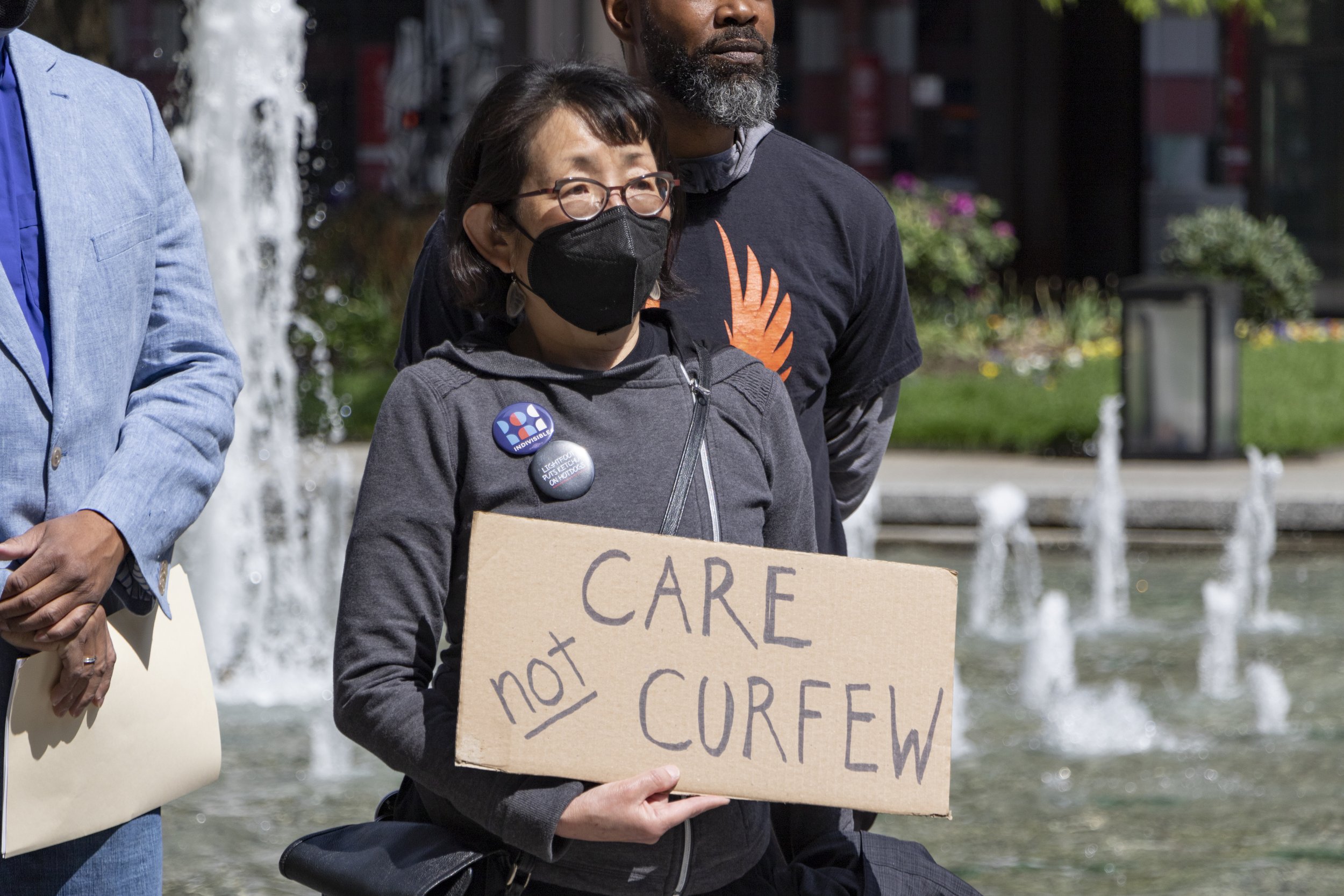
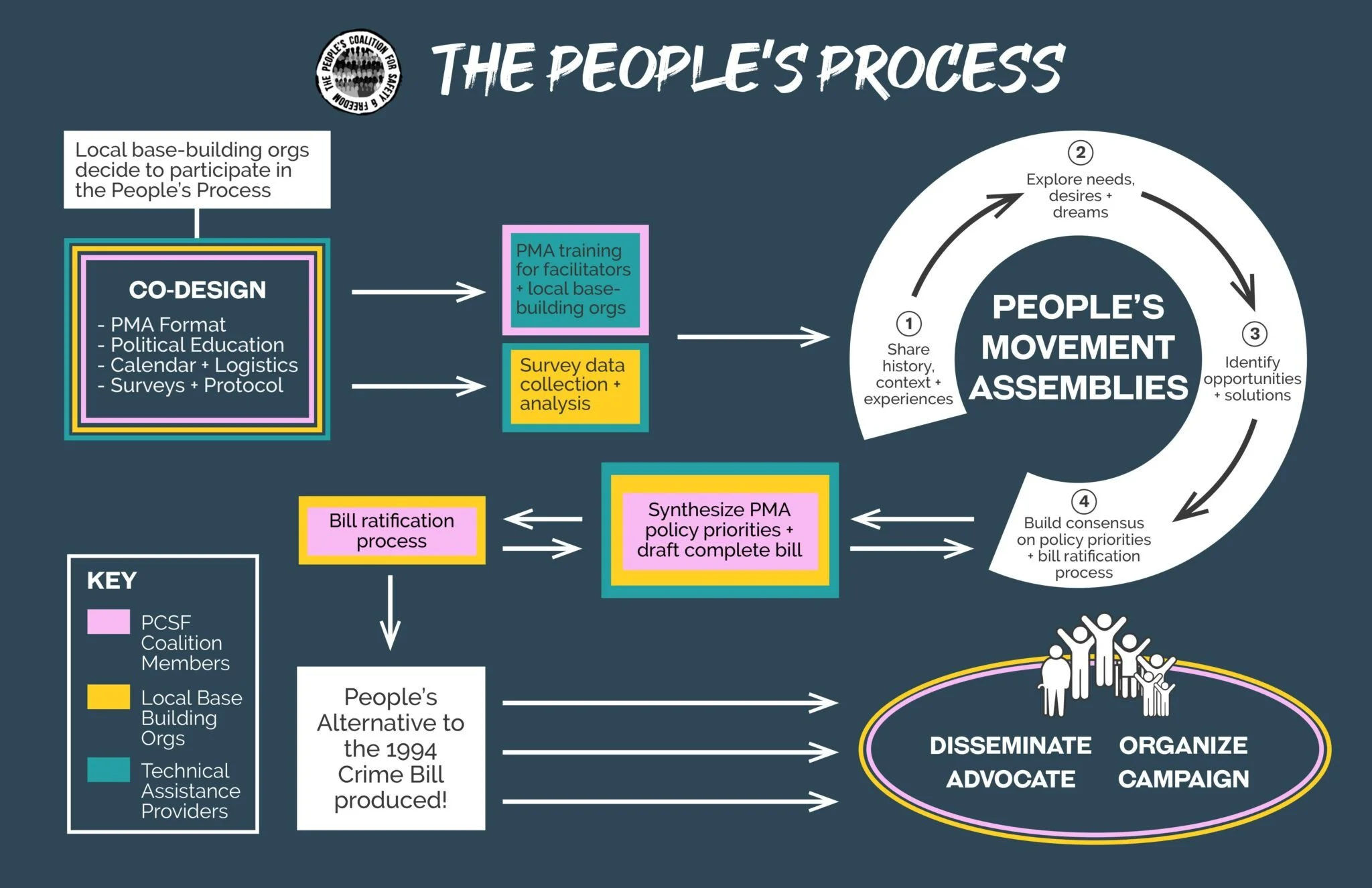
By community
Too often, outside interference disrupts community-driven solutions, serving little to nothing to fix the problems experienced on-the-ground. That’s why we’re committed to ensure that solutions developed By Community are at the front of the line, so that they may work For Community.
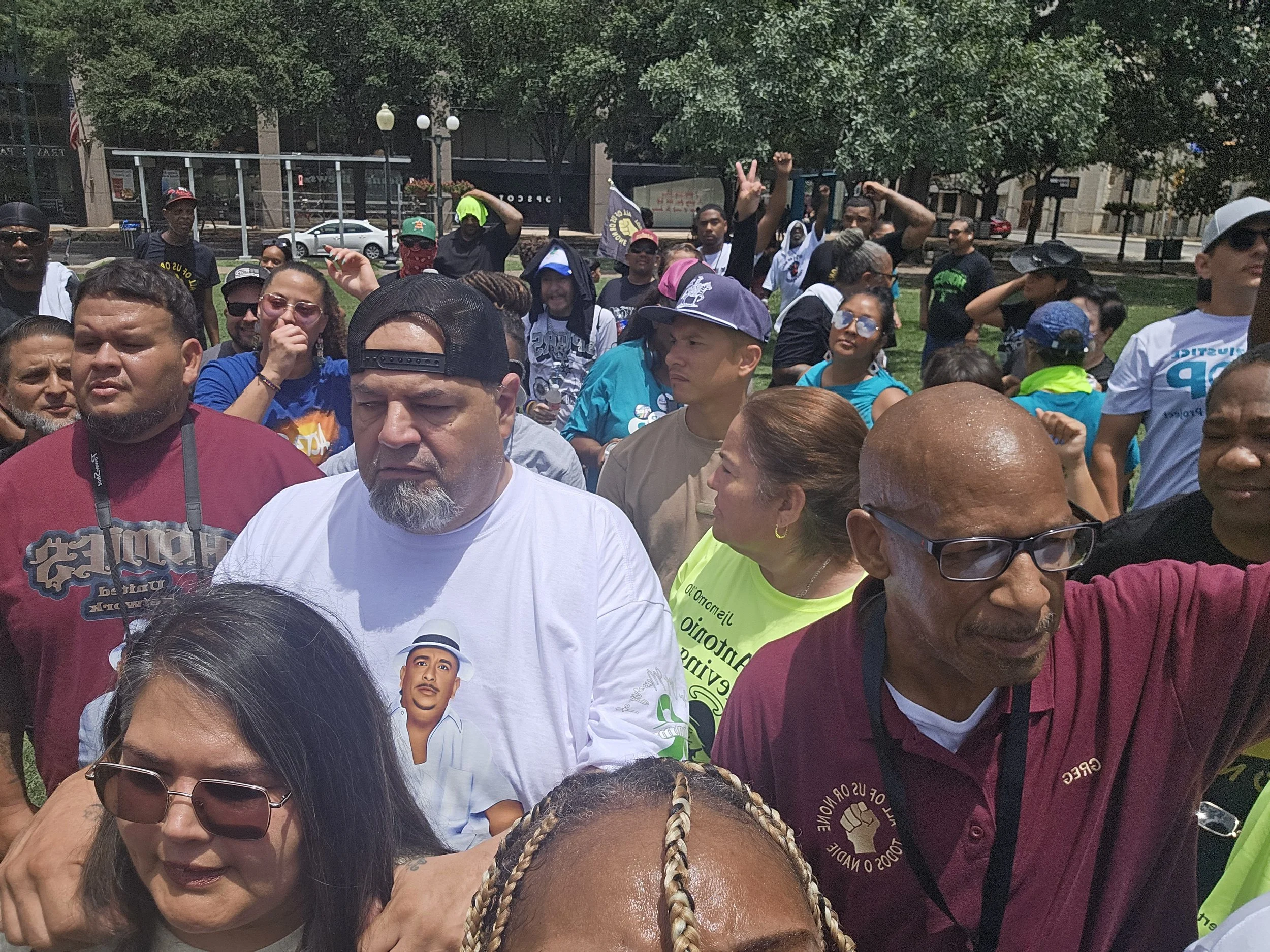
For community
We are intentional about centering community experts in the solutionmaking and implementation process. When it comes to the criminal legal system, these experts are Black people who have been disproportionately criminalized by that system. When we do not include community experts in this process, solutions get stuck in theories rather than action.

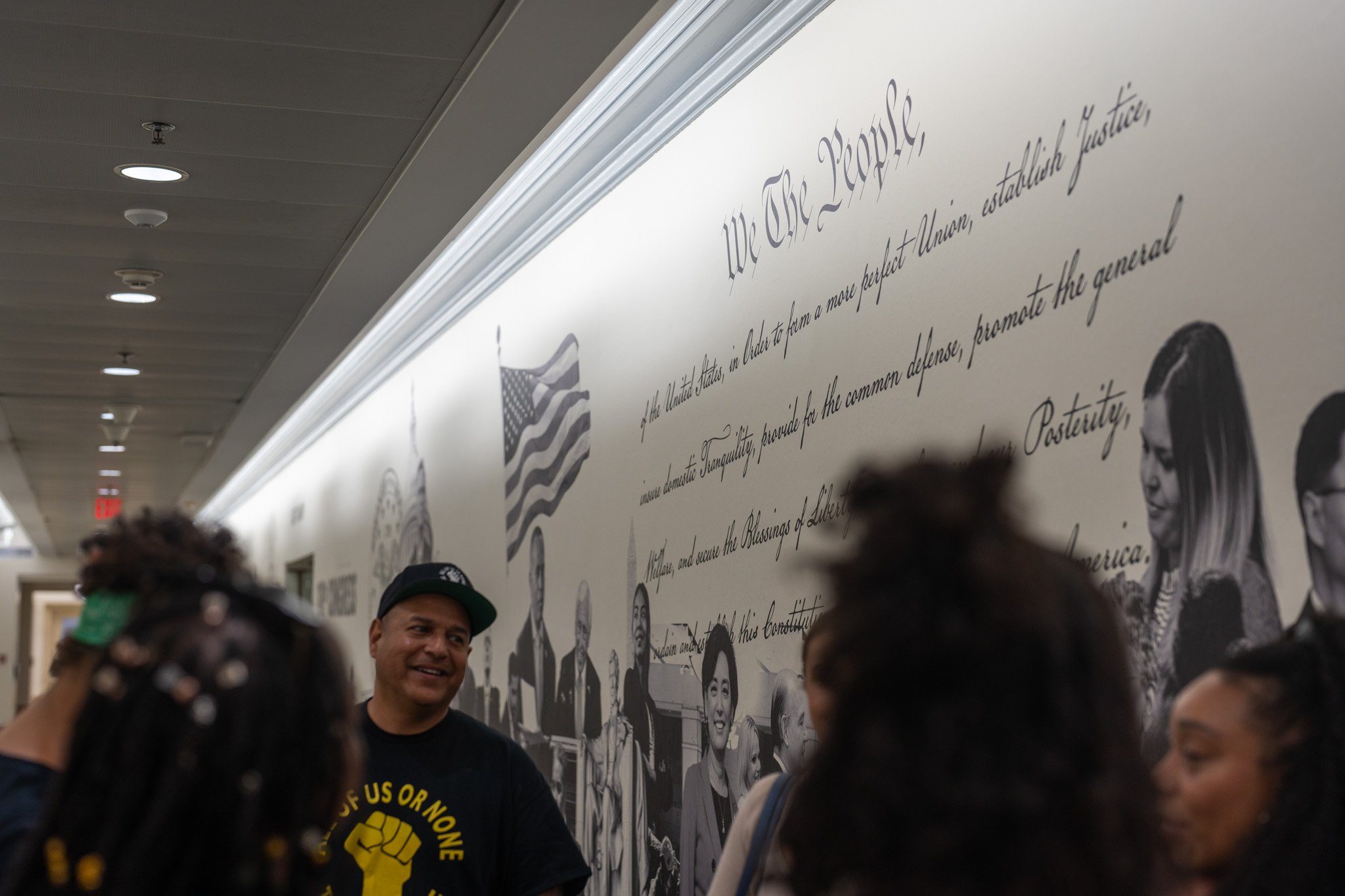
IN community
We work against the patriarchal, top-down siloes too often seen in policy and advocacy by focusing on cohesion and horizontal networking. Imagining, dismantling, and building together in community is the only sustainable path towards abolition.
OUR NEWS